Northeast India Floods 2026: Emergency Relief for Families in Arunachal Pradesh & Assam
Raised
₹28,780 of ₹1,03,670
On a quiet stretch of the Sisiri River in Lower Dibang Valley, four fishermen went out to lay bamboo traps in what looked like a shallow, harmless stream. Within minutes, flash flooding cut them off on a small river island, water rushing on every side.
Seven of their neighbours in Dambuk didn't wait for official help; they launched a rubber raft themselves. They found three of the fishermen and turned back toward shore. As they tried to dock in the dark, the current flipped the raft. Now eleven people were in the water.
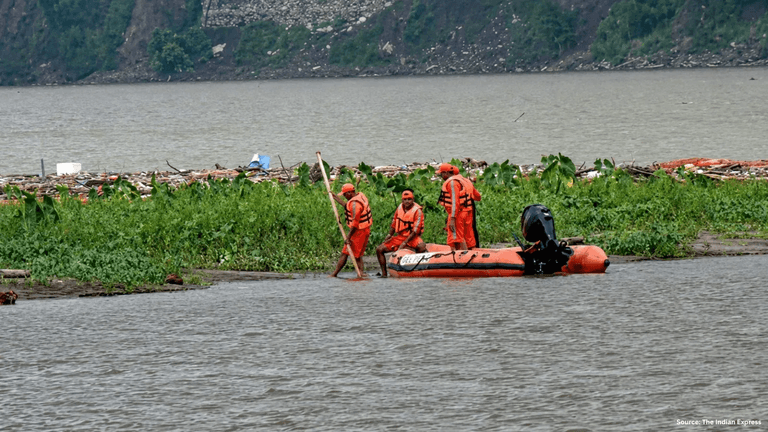
Some swam to safety. Others clung to river islands or grabbed onto drifting logs, waiting through the night. Locals even brought their elephants to the riverbank, hoping the animals could push through the current, but even they couldn't hold against the flood. It took a full multi-agency operation, NDRF boats, an Air Force helicopter that couldn't even take off until the rain eased, and hours of searching before every single person was found alive.
This is what monsoon season 2026 looks like across India's northeast. And Dambuk is only one village.
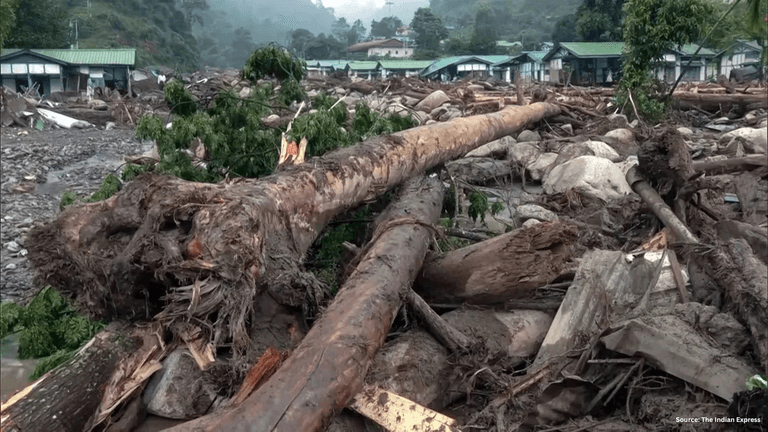
Assam — now the epicenter
- 68 people confirmed dead, with two more lives lost to floodwaters in Charaideo district in just the last 24 hours
- Over 5.24 lakh (524,700) people affected across Charaideo, Golaghat, Jorhat, Nagaon and Sivasagar districts
- Charaideo is the worst-hit district, with nearly 1.9 lakh people underwater, followed by Sivasagar (over 1.5 lakh) and Jorhat (around 1.4 lakh)
- 763 villages remain submerged, and nearly 48,742 hectares of farmland — crops families depend on for the year — has been destroyed
- 37,724 people are living in 354 relief camps across four districts, with nowhere else to go
- 88,240 domestic animals and poultry have been affected, wiping out livelihoods along with homes
- The Dhansiri and other major rivers remain above danger levels; Army, NDRF, SDRF, Fire & Emergency Services and police are working around the clock in Upper Assam
- The Indian Air Force has been airdropping food, drinking water and baby food into villages that are still cut off by road
Arunachal Pradesh the crisis that started it all
- 7 people confirmed dead, 1 still missing, and 29 injured since the monsoon floods began
- Nearly 1.5 lakh (149,392) people affected across almost all 27 districts of the state
- Upper Siang remains the worst-hit district, with close to 50,000 people impacted, followed by East Siang, Siang and Kra Daadi
- 594 villages have been hit by flooding and landslides
- Nearly 734 hectares of crop and horticulture land and 1,010 hectares of forest have been damaged, wiping out paddy, orange and banana crops families rely on for income
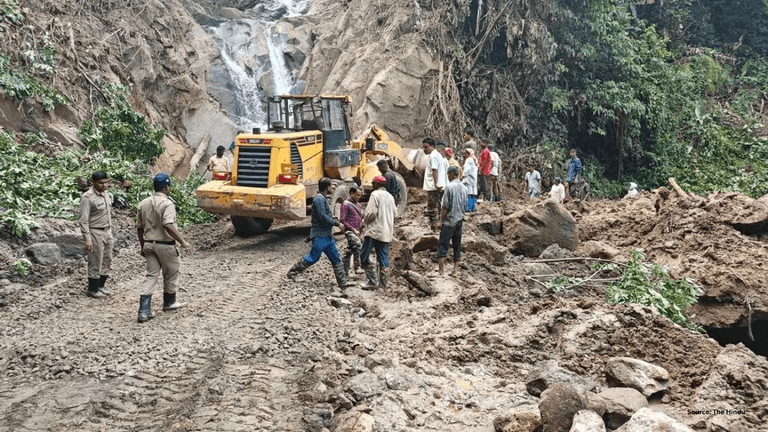
- Bridges connecting entire circles including the crossing at Huri-Damin in Kurung Kumey have been washed away, cutting off villages from food, medicine and the outside world
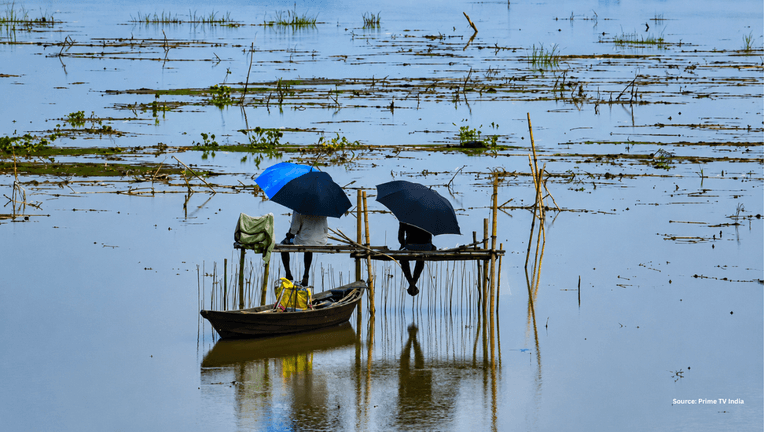
More rain is forecast. This crisis is not over – it's escalating and government aid takes time to reach isolated villages that need help today.
What's happening right now
In Rotte village, Kurung Kumey district (Arunachal Pradesh), flash floods swept away vehicles, livestock and the village's only hanging bridge, cutting nearly 500 households off completely. Paddy fields and horticulture gardens the primary source of income for these families were destroyed. A fire during the chaos destroyed two more homes. No lives were lost here, but the village remains isolated, without safe drinking water or electricity, still waiting on a temporary bridge.
In the Charaideo district (Assam), now the single worst-affected district in the entire region, families are still being pulled from flooded homes as you read this. Two more people drowned here in just the past day. Relief camps across the district are stretched beyond capacity, and power has only just started being restored in a phased rollout.
This is happening in hundreds of villages at once, across two states, right now.
Where your donation goes:
Every rupee raised through this campaign funds on-the-ground emergency response through verified local and disaster-response partners:
₹500: Provides emergency drinking water and purification tablets for one family for a week
₹1,500: Supplies a rescue and relief kit (torch, rope, first aid, dry rations) for a stranded household
₹5,000: Funds temporary shelter materials for a family who lost their home to flooding
₹15,000: Supports a village-level rescue effort; boats, fuel, and volunteer coordination
₹50,000: Contributes to rebuilding a damaged bridge or access road cutting off an entire community
Why act now:
Roads are washed out. Bridges are down. Families are cut off from food, clean water and medical help, and it's still raining. Rescue teams are stretched thin across five states at once. The fastest way to reach these communities right now isn't a helicopter – it's funding that lets local responders move immediately, without waiting for slower channels of aid.
Donate now:
Every family pulled from a river island, every village reconnected by a rebuilt bridge, starts with a donation today.

No guilt-tripping or pressure
Every appeal respects your choice to give, without emotional coercion.

Transparent use of funds
Donations are tracked and used only for verified needs, with clear updates where possible.

No spam for donations
You'll never receive phone calls or WhatsApp messages asking you to donate more.
Created By:
Vaidehi Ahlawat
This fundraiser will benefit:
Sevarth Mission Foundation
If something isn't right, we will work with you to ensure no misuse occurs.
Raised
₹28,780 of ₹1,03,670