Help Ashish Give Injured Wildlife a Safe Space to Heal & Return to the Wild
Raised
₹0 of ₹1,63,77,334
I did not enter wildlife work through training, legacy, or privilege. I entered it through restlessness. Growing up in Wardha, Maharashtra, I was different from most children around me. While others were preparing for predictable lives, I was drawn to animals, first out of curiosity, then out of responsibility. By the age of sixteen, I had already begun doing what little I could: tending to injured dogs, observing animal behaviour, and responding wherever help was needed, even when I had no formal backing or resources.
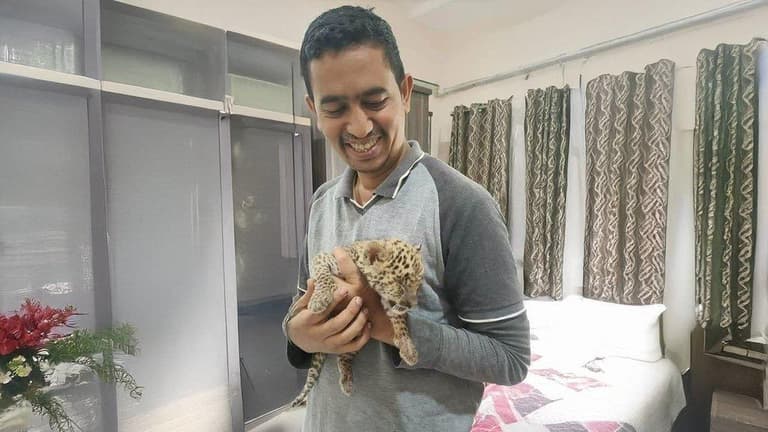
My early influences did not come from institutions but from ideas. I found myself drawn to the work of Baba Amte, often visiting his camps, listening, observing, and absorbing. The slogan I heard there stayed with me: “Hath lagao nirman mein, nahi maangne, nahi maarne”: build, don’t beg, don’t harm. Later, when I met members of the Amte family, I saw how service could be lived as a daily discipline, not a moment of charity. At the time, I did not yet understand wildlife conservation. I only knew that life—any life—deserved protection.
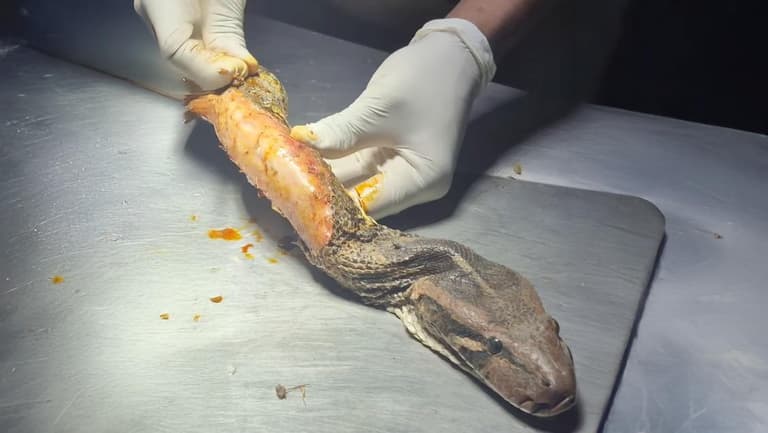
My work expanded organically. I learnt snake handling through basic training, responding to distress calls, and rescuing and releasing them safely instead of letting fear turn fatal. I began visiting schools, speaking to children and communities about coexistence and about how panic often causes more harm than the animal itself. I was not building a career. I was building experience, one call at a time.
It was during this phase that I first learnt about Maneka Gandhi: not as a political figure, but as someone deeply committed to animal welfare. I watched her programmes, followed her work, and eventually gathered the courage to write her a letter. I did not expect a response. What arrived instead, within fifteen days, changed the direction of my life. The letter acknowledged something I had never heard before: that sensitivity towards animals is rare, and that she wished to support the work I was doing. I carried that letter with me everywhere, reading it repeatedly, unsure whether to believe it was real.
When I finally travelled by train to meet her, I was still a teenager: nervous, hopeful, and unprepared for what would follow. As I entered, I was told to “get out”. For a moment, I believed I had made a mistake. When she realised I was the Ashish Goswami she had written to and that I was only sixteen years old, the tone shifted. She asked questions. She listened. I showed her photographs of my work, captured on a simple roll camera. That meeting did not offer comfort or praise. It offered direction. And with it came an unspoken understanding: this path would demand everything.
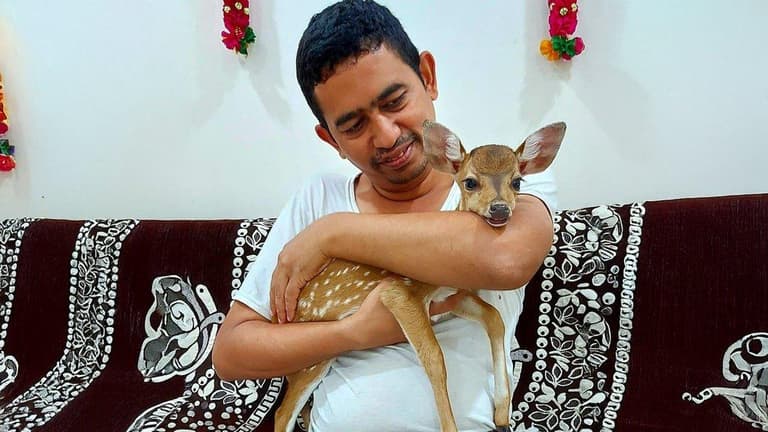
From that point onwards, my life separated sharply from what it might have been. There were no fixed hours, no certainty, and no conventional milestones. Instead, there were rescues at dawn, emergencies at midnight, and years spent learning what textbooks cannot teach: how wildlife responds to fear, injury, and human presence. Over time, this work grew into an institution. In 1999, the People for Animals Wildlife Rescue and Rehabilitation Center, Wardha, was established not as a shelter but as a system built on ethics, science, and accountability.
Today, our work spans rescue, treatment, rehabilitation, rewilding, conflict mitigation, and conservation awareness. We operate in close coordination with forest departments and national authorities, ensuring that every decision, especially release, is guided by protocol, not pressure. Advanced infrastructure, trained teams, and specialised facilities support this work, but they do not define it. What defines it is consistency: showing up every day for animals who cannot advocate for themselves.
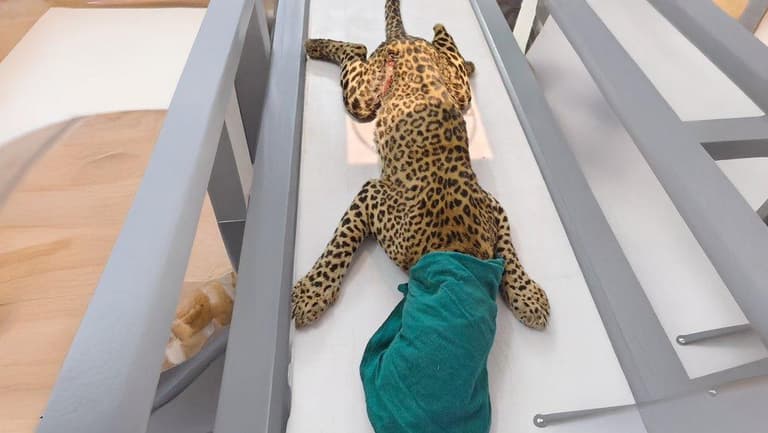
Recognition has come over the years from institutions, conservation bodies, and public figures, but recognition was never the goal. The goal has always remained unchanged: to stand by life when it is most vulnerable and to ensure that intervention does not end at survival but extends to dignity and independence.
Supporting this work is not about funding a story. It is about sustaining a lifelong commitment, one that began with a letter, was tested by reality, and continues today as a responsibility that does not pause. Wildlife conservation is not an occupation I chose lightly. It is a life that chose me early and never let go.

No guilt-tripping or pressure
Every appeal respects your choice to give, without emotional coercion.

Transparent use of funds
Donations are tracked and used only for verified needs, with clear updates where possible.

No spam for donations
You'll never receive phone calls or WhatsApp messages asking you to donate more.
Created By:
Ashish N Goswami
This fundraiser will benefit:
people for animals wardha
If something isn't right, we will work with you to ensure no misuse occurs.
Raised
₹0 of ₹1,63,77,334